Balanced Diet
Nourish Your Body, Fuel Your Life
Discover the science of balanced eating and achieve your health goals
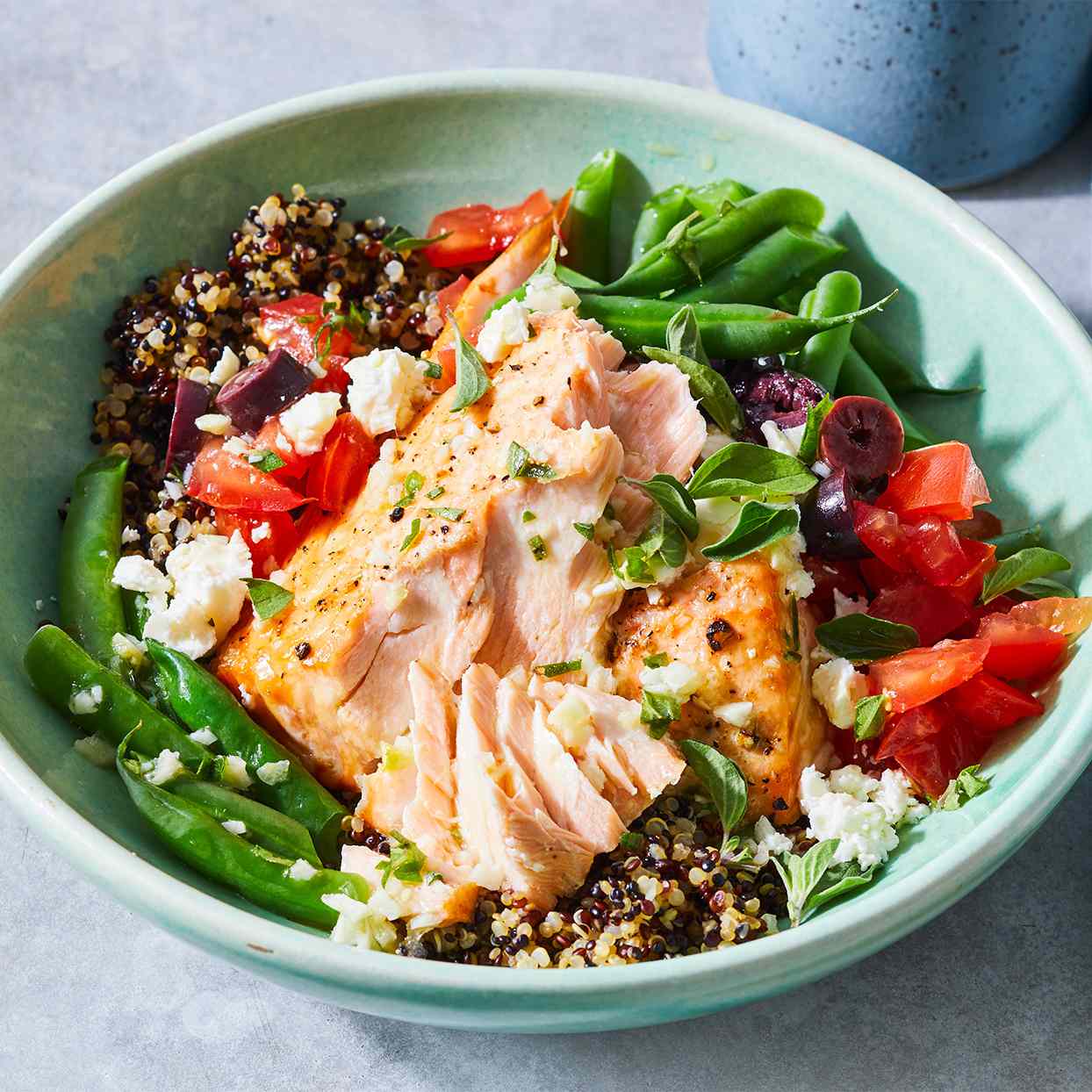
What is a Balanced Diet?
A balanced diet provides the right proportions of carbohydrates, proteins, fats, vitamins, minerals, and water necessary to maintain good health. It's not about strict dietary limitations, but rather feeling great, having more energy, and improving your health.
Core Principles
- Variety of nutrient-dense foods
- Appropriate portion sizes
- Balance of macronutrients
- Adequate hydration
- Regular meal timing
Why It Matters
- Maintains healthy body weight
- Reduces disease risk
- Improves energy levels
- Supports mental health
- Enhances immune function
Benefits of a Balanced Diet
Physical Health
Maintains healthy weight, reduces risk of chronic diseases, improves heart health, and enhances physical performance.
Mental Clarity
Improves concentration, enhances memory, stabilizes mood, and reduces risk of cognitive decline.
Energy Levels
Provides sustained energy throughout the day, reduces fatigue, and improves sleep quality.
Key Food Components
Macronutrients
Protein (15-25%)
Builds and repairs tissues, supports immune function
Carbohydrates (45-65%)
Primary energy source, supports brain function
Healthy Fats (20-35%)
Supports cell function, hormone production
Micronutrients
Vitamins
Essential for various bodily functions and immune support
Minerals
Support bone health, nerve function, and metabolism
Hydration
Essential for all bodily functions and nutrient transport
Sample Daily Meal Structure
Breakfast
Start your day with protein, complex carbs, and healthy fats
- Whole grain toast with avocado
- Scrambled eggs with vegetables
- Fresh fruit
- Green tea or water
Mid-Morning Snack
Keep energy levels stable
- Handful of nuts
- Fresh fruit
- Greek yogurt
- Water
Lunch
Balanced meal with all macronutrients
- Lean protein (chicken, fish, tofu)
- Complex carbohydrates (brown rice, quinoa)
- Plenty of vegetables
- Healthy fats (olive oil, nuts)
Dinner
Lighter meal, focus on protein and vegetables
- Grilled protein
- Steamed vegetables
- Small portion of complex carbs
- Herbal tea
Diet Suggestions by Goal
Weight Loss
Focus Areas:
- Calorie deficit with nutrient density
- High protein intake (25-30%)
- Complex carbohydrates
- Healthy fats in moderation
Sample Day:
Breakfast: Greek yogurt with berries and nuts
Lunch: Grilled chicken salad with olive oil dressing
Dinner: Baked salmon with quinoa and vegetables
Tip: Focus on whole foods, portion control, and regular physical activity
Weight Gain
Focus Areas:
- Calorie surplus with quality foods
- High protein intake (20-25%)
- Complex carbohydrates (55-65%)
- Healthy fats (25-35%)
Sample Day:
Breakfast: Oatmeal with nuts, seeds, and fruit
Lunch: Turkey sandwich with avocado and sweet potato
Dinner: Beef stir-fry with brown rice and vegetables
Tip: Combine strength training with adequate protein and calorie intake
Healthy Living
Focus Areas:
- Well-balanced macronutrients
- Rich variety of micronutrients
- Regular meal timing
- Adequate hydration
Sample Day:
Breakfast: Smoothie with protein, fruits, and spinach
Lunch: Quinoa bowl with vegetables and chickpeas
Dinner: Grilled fish with sweet potato and broccoli
Tip: Listen to your body's hunger cues and maintain consistency
Ready to Transform Your Eating Habits?
Get personalized balanced diet plans and professional chef support to achieve your health goals.
Create Your Personalized Balanced Diet
Our professional chefs will create customized meal plans based on your specific needs, preferences, and health goals.
Personalized Assessment
We'll assess your current eating habits, health goals, and dietary preferences to create a tailored plan.
Chef-Crafted Meals
Our professional chefs will prepare delicious, nutritious meals that align with your balanced diet plan.
Progress Tracking
Monitor your progress and adjust your plan as needed to ensure continued success.
Important Disclaimer
The information provided on this page is for educational and informational purposes only. It is not intended as medical advice, diagnosis, or treatment. Always seek the advice of your physician or other qualified health provider with any questions you may have regarding a medical condition. Never disregard professional medical advice or delay in seeking it because of something you have read on this website. If you think you may have a medical emergency, call your doctor or 911 immediately. The balanced diet information provided here should not be considered a substitute for professional medical advice.