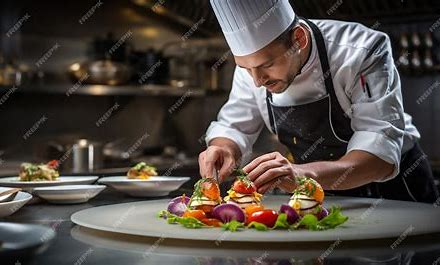
Cooking at home doesn't have to be complicated to be delicious. With a few professional techniques and some insider knowledge, you can transform your everyday meals into restaurant-quality dishes. Here are essential tips from our professional chefs to elevate your home cooking game.
Mastering Knife Skills
Knife skills are the foundation of all great cooking. Proper cutting techniques not only make your food look better but also cook more evenly and safely.
Essential Knife Cuts Every Home Cook Should Know:
-
Julienne: Thin matchstick-sized strips perfect for stir-fries and salads
-
Dice: Uniform cubes for even cooking in soups and stews
-
Mince: Very fine cuts for garlic, herbs, and aromatics
-
Chiffonade: Thin ribbons for herbs and leafy greens
Knife Safety and Maintenance
Always keep your knives sharp - a dull knife is more dangerous than a sharp one. Use a cutting board with a stable base, and curl your fingers under when chopping to protect your fingertips.
Flavor Balancing Techniques
Professional chefs understand that great food is about balance. Here's how to achieve perfect flavor harmony in your dishes:
The Five Basic Tastes:
-
Sweet: Natural sugars, fruits, honey, maple syrup
-
Salty: Salt, soy sauce, miso, cheese
-
Sour: Citrus, vinegar, yogurt, wine
-
Bitter: Dark greens, coffee, dark chocolate
-
Umami: Mushrooms, tomatoes, aged cheese, soy sauce
Taste as You Go
The most important rule: taste your food throughout the cooking process. This allows you to adjust seasoning and balance flavors before the dish is finished. Always taste before adding salt, and remember that flavors intensify as food cooks.
Heat Control Mastery
Understanding heat control is crucial for perfect results. Different cooking methods require different temperature levels:
Stovetop Temperature Guide:
- Low Heat (2-3): Gentle simmering, melting chocolate, keeping food warm
- Medium Heat (4-5): Sautéing vegetables, cooking eggs, gentle frying
- Medium-High Heat (6-7): Searing meat, stir-frying, reducing sauces
- High Heat (8-9): Quick searing, boiling water, flash cooking
Sauce Making Secrets
Sauces can transform a simple dish into something extraordinary. Here are professional techniques for perfect sauces:
The Mother Sauces
Learn the five French mother sauces - they form the foundation for hundreds of derivative sauces:
- Béchamel: White sauce made with milk and roux
- Velouté: Light stock thickened with roux
- Tomato: Tomato-based sauce with aromatics
- Hollandaise: Emulsified butter and egg yolk sauce
- Espagnole: Rich brown sauce made with brown stock
Professional Plating Techniques
They say we eat with our eyes first. Professional plating makes your food look as good as it tastes:
Plating Principles:
- Odd Numbers: Plate food in odd numbers (3, 5, 7) for visual appeal
- Height: Create dimension by stacking or layering components
- Color: Use colorful ingredients to create contrast and visual interest
- Space: Don't overcrowd the plate - negative space is important
- Sauce Art: Use squeeze bottles or spoons to create artistic sauce patterns
Ingredient Quality and Seasonality
The best chefs know that exceptional ingredients are the foundation of great cooking:
Shopping Tips:
- Buy seasonal produce for peak flavor and nutrition
- Shop at farmers markets for the freshest local ingredients
- Learn to identify ripe produce by touch, smell, and appearance
- Invest in quality staples like good olive oil, sea salt, and fresh herbs
- Build relationships with local butchers and fishmongers
Time Management in the Kitchen
Professional kitchens run on precise timing. Apply these techniques to your home cooking:
Mise en Place (Everything in Its Place):
Prepare and organize all ingredients before you start cooking. This includes:
- Washing and chopping vegetables
- Measuring out spices and liquids
- Having all necessary equipment ready
- Reading through the entire recipe beforehand
Common Mistakes to Avoid
Even experienced home cooks make these common errors:
Top 5 Cooking Mistakes:
-
Overcrowding the pan: This steams food instead of searing it
-
Not preheating properly: Pans and ovens need time to reach temperature
-
Overcooking proteins: Use a meat thermometer for perfect doneness
-
Not resting meat: Always let cooked meat rest before cutting
-
Adding too much salt at once: Season gradually and taste as you go
Essential Kitchen Tools
While you don't need professional equipment, some tools make a significant difference:
Must-Have Tools:
- Quality chef's knife and paring knife
- Cast iron or stainless steel skillet
- Microplane grater for citrus zest and garlic
- Meat thermometer
- Microplane zester
- Good quality cutting board
- Immersion blender for soups and sauces
Practice Makes Perfect
Like any skill, cooking improves with practice. Start with simple recipes and gradually work your way up to more complex dishes. Don't be afraid to make mistakes - they're the best teachers in the kitchen.
Remember, the goal isn't to replicate restaurant dishes exactly, but to apply professional techniques to create delicious, satisfying meals in your own kitchen. With these tips and consistent practice, you'll be well on your way to becoming a confident home chef.