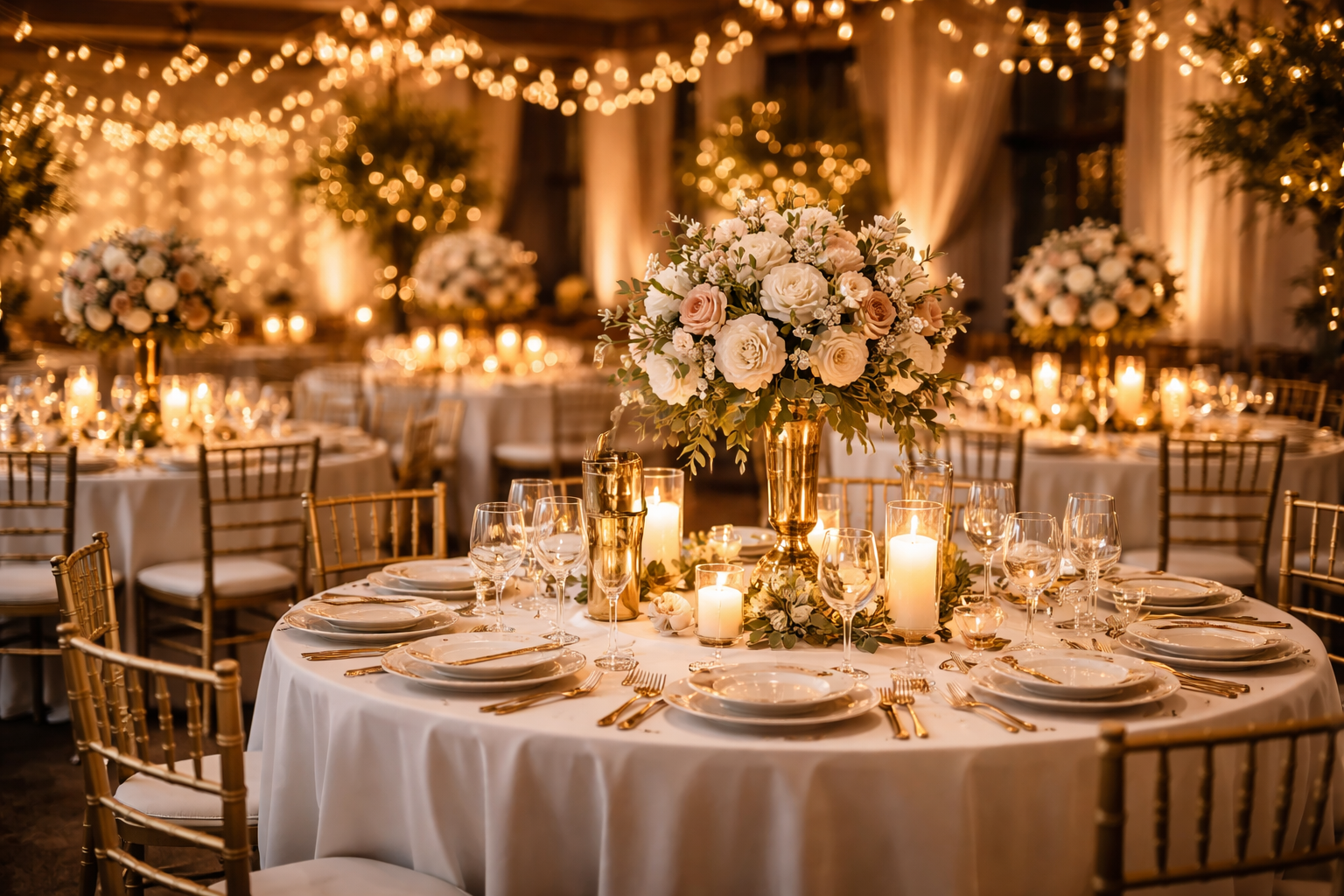
Planning the perfect menu for your special event can be both exciting and overwhelming. Whether you're hosting an intimate dinner party, a milestone birthday celebration, or a corporate gathering, the food you serve sets the tone for the entire event. This guide will help you create memorable dining experiences that impress your guests and make your occasion truly special.
Understanding Your Event Type
The first step in planning your event menu is understanding the nature of your gathering:
Intimate Gatherings (6-12 guests)
Perfect for dinner parties, engagement celebrations, or small family gatherings. Focus on:
- Multi-course meals with careful pacing
- Interactive elements like tableside preparations
- Wine pairings for each course
- Personalized touches that reflect your guests' preferences
Medium Events (15-50 guests)
Ideal for birthdays, anniversaries, or business luncheons. Consider:
- Buffet or stations format for variety
- Signature cocktails or mocktails
- Interactive food stations (taco bar, pasta station)
- Dietary accommodations clearly marked
Large Gatherings (50+ guests)
Weddings, corporate events, or holiday parties. Key considerations:
- Plated service for elegance or buffet for efficiency
- Multiple food stations to reduce lines
- Clear dietary labeling
- Professional service staff
Seasonal Menu Inspiration
Seasonal ingredients not only taste better but also create a connection to the time of year:
Seasonal Menu Ideas:
-
Spring: Asparagus risotto, strawberry spinach salads, lemon herb chicken
-
Summer: Grilled seafood, fresh fruit platters, cold soups, BBQ stations
-
Fall: Butternut squash soup, roasted root vegetables, apple desserts
-
Winter: Hearty stews, warm breads, hot chocolate bar, comfort food classics
Menu Structure and Flow
A well-planned menu considers the timing and progression of courses:
Appetizers and Hors d'Oeuvres
Set the tone for your event with these crowd-pleasers:
- Cold Options: Bruschetta, cheese boards, shrimp cocktail
- Hot Options: Stuffed mushrooms, mini quiches, spring rolls
- Finger Foods: Caprese skewers, deviled eggs, sliders
- Quantity: Plan for 6-8 pieces per person per hour
Main Course Considerations
Choose proteins and preparations that suit your event style:
- Meat Options: Beef tenderloin, herb-crusted chicken, pork loin
- Seafood: Grilled salmon, shrimp scampi, paella
- Vegetarian: Stuffed peppers, mushroom Wellington, vegetable lasagna
- Serving Style: Plated, buffet, or family-style
Side Dishes and Accompaniments
Complement your main courses with thoughtful sides:
- Seasonal vegetables prepared simply
- Starches like rice pilaf, mashed potatoes, or quinoa
- Salads with vinaigrette dressings on the side
- Bread service with quality butter or olive oil
Dessert and Sweet Endings
Finish your meal on a high note:
- Individual Servings: Mini tarts, chocolate mousse cups, fruit parfaits
- Interactive: S'mores station, ice cream sundae bar, chocolate fountain
- Classic: Wedding cake, cheesecake, crème brûlée
- Dietary Options: Gluten-free, dairy-free, nut-free alternatives
Interactive Food Stations
Food stations add entertainment and customization to your event:
Popular Station Ideas:
- Pasta Station: Fresh pasta with various sauces and toppings
- Taco/Nacho Bar: Multiple proteins, toppings, and salsas
- Sushi Rolling: Fresh ingredients for DIY sushi creation
- Wok Station: Stir-fry with customizable ingredients
- Charcuterie: Artisanal meats, cheeses, and accompaniments
- Smoothie Bar: Fresh fruits, yogurts, and healthy add-ins
Beverage Planning
Don't forget the drinks! Consider your audience and event timing:
Beverage Service Options:
-
Full Bar: Professional bartender, wide selection of spirits
-
Signature Cocktails: Custom drinks that match your theme
-
Beer and Wine: More budget-friendly option
-
Non-Alcoholic: Mocktails, specialty coffees, infused waters
Dietary Considerations
Modern events must accommodate various dietary needs:
Common Dietary Restrictions:
- Vegetarian/Vegan: Plant-based proteins and alternatives
- Gluten-Free: Naturally gluten-free dishes or certified alternatives
- Nut Allergies: Clearly marked nut-free options
- Dairy-Free: Alternative milks and cheeses
- Kosher/Halal: Religious dietary requirements
Labeling and Communication:
- Use clear, visible labels for all dishes
- Include ingredient lists when possible
- Train staff on dietary restrictions
- Offer to speak with guests about their needs
Theme-Based Menus
Align your menu with your event theme for a cohesive experience:
Popular Themes and Menu Ideas:
- Mediterranean: Hummus, grilled lamb, spanakopita, baklava
- Texas BBQ: Brisket, ribs, coleslaw, cornbread
- Italian Feast: Antipasto, lasagna, tiramisu, espresso
- Tropical Luau: Pineapple chicken, coconut shrimp, tropical fruit
- French Bistro: Escargot, coq au vin, crème brûlée
Budget-Friendly Tips
Creating an impressive menu doesn't have to break the bank:
Cost-Saving Strategies:
- Choose seasonal, local ingredients
- Opt for family-style service over plated
- Limit the number of courses
- DIY some elements like decorations or simple appetizers
- Consider hiring a personal chef for smaller events
- Bulk purchase non-perishable items
Working with Professional Chefs
For stress-free event planning, consider hiring a professional chef:
Benefits of Professional Catering:
- Expertise in menu planning and execution
- Professional equipment and supplies
- Staffing and service management
- Liability insurance and food safety compliance
- Customized menus for your specific needs
- Setup, service, and cleanup
What to Look For in a Caterer:
- Experience with your type of event
- Positive reviews and references
- Flexible menu options
- Clear pricing and contracts
- Food safety certifications
- Ability to accommodate dietary restrictions
Timeline and Planning
Start planning your event menu well in advance:
6-8 Weeks Before:
- Finalize guest count
- Choose your menu style
- Get quotes from caterers
- Plan your budget
2-4 Weeks Before:
- Finalize menu selections
- Confirm dietary restrictions
- Plan beverage service
- Confirm all details with vendors
1 Week Before:
- Confirm final headcount
- Review timeline with vendors
- Prepare any DIY elements
- Confirm delivery and setup times
Final Tips for Success
Remember these key points for a successful event:
Event Planning Essentials:
-
Taste Test: Sample your menu before the event
-
Backup Plan: Have alternatives for weather or vendor issues
-
Timeline: Create a detailed schedule for the event day
-
Enjoy: Don't forget to savor your own celebration!
Planning the perfect event menu is both an art and a science. By considering your guests' preferences, the occasion's formality, and practical logistics, you can create a dining experience that enhances your celebration and leaves lasting memories. Whether you're cooking yourself or working with professionals, thoughtful menu planning ensures your event is a delicious success.