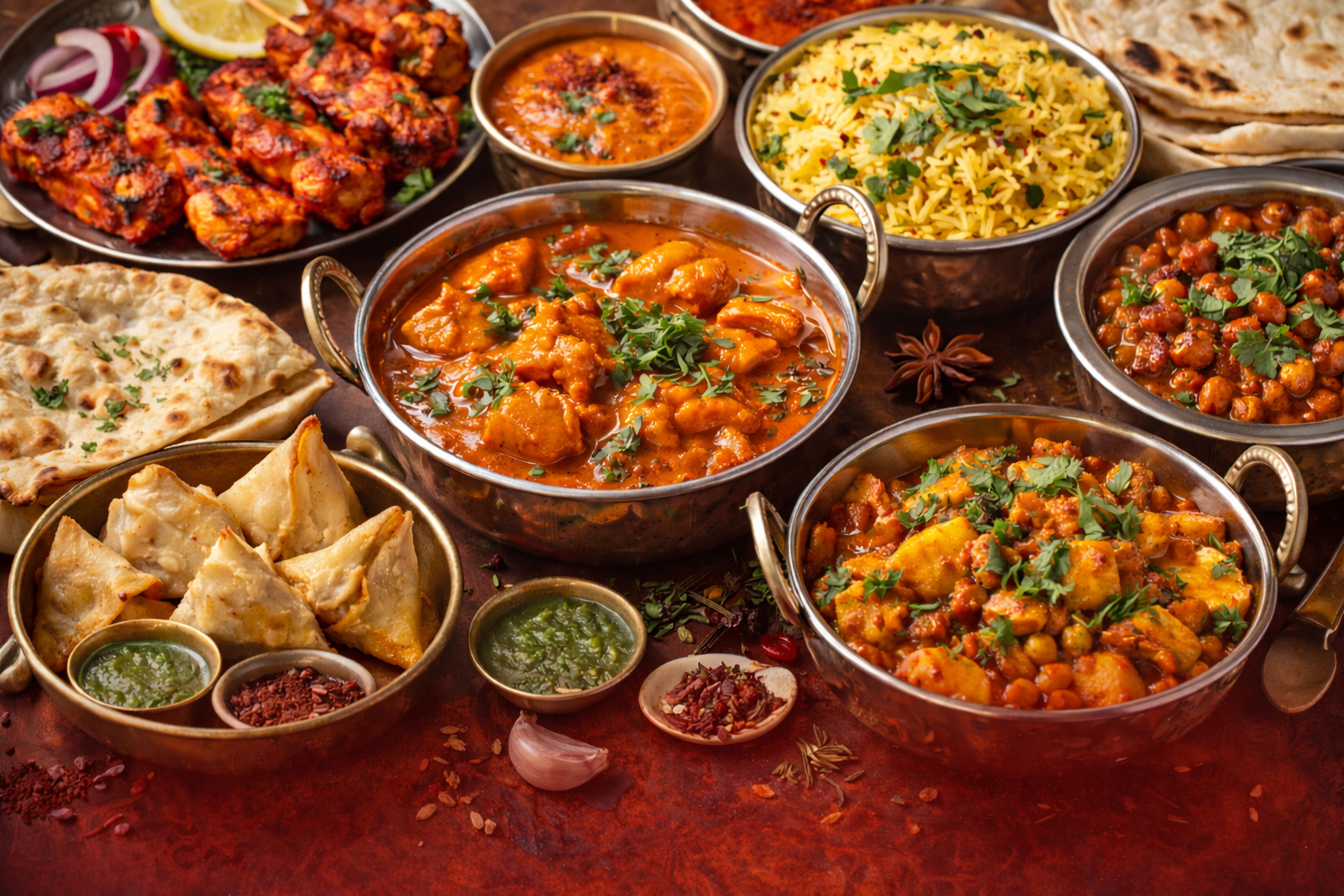
Meal prepping is one of the most effective ways to save time, money, and maintain a healthy diet throughout the week. By dedicating a few hours to preparation, you can ensure that nutritious, delicious meals are ready when you need them most. This comprehensive guide will walk you through creating a successful meal prep routine that fits your lifestyle.
Benefits of Meal Prepping
Before diving into the how-to, let's explore why meal prepping has become so popular:
Why Meal Prep?
-
Time Savings: Cook once, eat multiple times throughout the week
-
Cost Effective: Buy in bulk and reduce food waste
-
Healthier Choices: Control ingredients and portion sizes
-
Reduced Decision Fatigue: No more "what's for dinner?" stress
-
Portion Control: Pre-portioned meals help with weight management
Essential Meal Prep Equipment
While you don't need expensive equipment, these tools will make meal prepping much easier:
Must-Have Tools:
- Quality Containers: Glass or BPA-free plastic containers in various sizes
- Food Scale: For accurate portioning
- Sharp Knives: A good chef's knife and paring knife
- Large Cutting Board: Preferably with a juice groove
- Sheet Pans: For roasting vegetables and proteins
- Slow Cooker or Instant Pot: For hands-off cooking
- Vacuum Sealer: Optional but great for extending shelf life
Planning Your Meal Prep
Successful meal prepping starts with thoughtful planning:
Step 1: Choose Your Prep Day
Most people prefer Sunday for meal prep, but choose whatever day works best for your schedule. Consider:
- How much time you can dedicate (2-4 hours is ideal)
- Your work schedule for the week
- When you'll need meals most
Step 2: Plan Your Menu
Create a weekly menu that includes:
- 3-5 different main dishes
- 2-3 side dishes
- 2-3 breakfast options
- 2-3 snack options
- 1-2 desserts (optional)
Step 3: Create Your Shopping List
Organize your list by store sections to save time:
- Produce
- Meat/Seafood
- Dairy
- Pantry items
- Frozen foods
Beginner-Friendly Meal Prep Recipes
Start with these simple, versatile recipes:
1. Roasted Vegetable Medley
Ingredients: Broccoli, bell peppers, zucchini, sweet potatoes, olive oil, salt, pepper, garlic powder.
Instructions: Chop vegetables into uniform pieces, toss with oil and seasonings, roast at 425°F for 25-30 minutes.
Storage: Keeps for 4-5 days in the refrigerator.
2. Protein Power Bowls
Base: Quinoa or brown rice
Protein: Grilled chicken, baked salmon, or tofu
Veggies: Roasted vegetables, fresh greens
Topping: Avocado, nuts, seeds
Dressing: Lemon-tahini or olive oil vinaigrette
3. Overnight Oats
Base: Rolled oats + milk or yogurt
Flavorings: Vanilla extract, honey, cinnamon
Toppings: Fresh fruit, nuts, seeds
Instructions: Mix base ingredients, refrigerate overnight, add toppings before eating.
4. Mason Jar Salads
Layer 1: Dressing at the bottom
Layer 2: Hearty vegetables (carrots, cucumbers)
Layer 3: Proteins and grains
Layer 4: Greens on top
Tip: Keeps for 4-5 days, shake to mix when ready to eat.
Advanced Meal Prep Strategies
Once you've mastered the basics, try these advanced techniques:
Batch Cooking vs. Component Prep
Batch Cooking: Make large quantities of complete meals
Component Prep: Prepare individual ingredients to mix and match
Hybrid Approach: Combine both methods for maximum flexibility
Freezer-Friendly Meals
Prepare meals that can be frozen for longer storage:
- Chili and soups
- Casseroles
- Marinara sauce
- Smoothie packs
- Breakfast burritos
Storage Guidelines
Proper storage ensures your meals stay fresh and safe:
Storage Times:
-
Cooked Meat/Poultry: 3-4 days in refrigerator
-
Cooked Fish: 1-2 days in refrigerator
-
Cooked Vegetables: 3-5 days in refrigerator
-
Salads with Dressing: 2-3 days maximum
-
Grains/Pasta: 4-5 days in refrigerator
Weekly Meal Prep Schedule
Here's a sample 3-hour meal prep schedule:
Hour 1: Preparation
- Wash and chop all vegetables
- Marinate proteins
- Preheat oven
Hour 2: Cooking
- Roast vegetables on sheet pans
- Grill or bake proteins
- Start grains in rice cooker or pot
Hour 3: Assembly
- Portion meals into containers
- Prepare grab-and-go snacks
- Label containers with dates
Customizing for Dietary Needs
Adapt meal prep for specific dietary requirements:
Vegetarian/Vegan:
- Use plant-based proteins (tofu, tempeh, legumes)
- Include plenty of nuts, seeds, and whole grains
- Focus on variety to ensure complete nutrition
Gluten-Free:
- Use naturally gluten-free grains (rice, quinoa, buckwheat)
- Check all sauces and seasonings for hidden gluten
- Use separate cutting boards and utensils
Keto/Low-Carb:
- Focus on proteins, healthy fats, and low-carb vegetables
- Avoid grains, legumes, and starchy vegetables
- Prepare fat-rich sauces and dressings
Common Meal Prep Mistakes to Avoid
Learn from these common pitfalls:
What NOT to Do:
-
Over-Prepping: Start with 3-4 days worth of meals
-
Under-Salting: Season generously during cooking
-
Not Cooling Food: Let food cool before storing to prevent sogginess
-
Forgetting Sauces: Store dressings separately
-
Ignoring Texture: Add crunchy elements just before eating
Time-Saving Tips
Maximize your meal prep efficiency:
Prep Hacks:
- Use a food processor for chopping vegetables
- Cook multiple items simultaneously in the oven
- Use slow cooker for hands-off cooking
- Pre-portion spices and seasonings
- Invest in quality storage containers
Staying Motivated
Keep your meal prep routine going strong:
Motivation Strategies:
- Start small and gradually increase prep volume
- Find a meal prep buddy for accountability
- Try new recipes weekly to avoid boredom
- Track your savings and time saved
- Celebrate your successes
When to Hire a Professional Chef
If meal prepping feels overwhelming or you want restaurant-quality meals, consider hiring a professional chef. A personal chef can:
- Create customized meal plans based on your preferences
- Shop for high-quality ingredients
- Prepare and portion meals in your kitchen
- Accommodate special dietary needs
- Save you even more time and effort
Meal prepping is a skill that improves with practice. Start with simple recipes and gradually build your repertoire. The time and effort you invest in meal prep will pay dividends in improved health, reduced stress, and more free time throughout your busy week.